Feeding Your City Flock Without Wasting Money
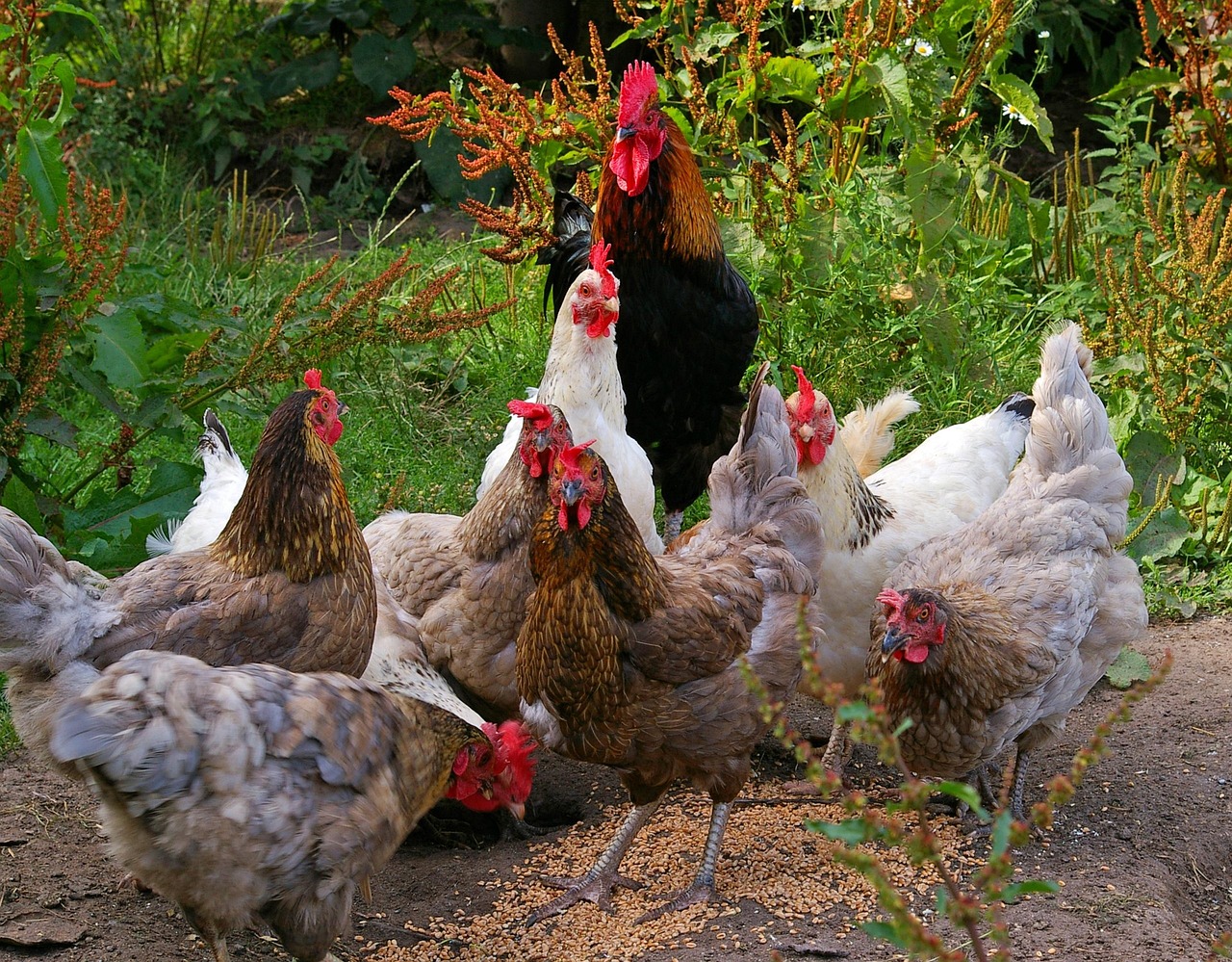
Feeding chickens sounds simple until you watch a bag of feed disappear in a week because half of it ended up scratched into the bedding. In a small urban setup, wasted feed is wasted money and a magnet for rats and mice. A few changes fix both problems.
Start with the right base. A commercial layer pellet or crumble formulated for laying hens gives you a balanced diet without guesswork. Pellets tend to create less waste than crumble because hens cannot bill them out as easily. If you have a mixed flock with young birds, keep the layers' feed separate and use a grower formula for the ones not laying yet.
Building a Low-Waste Feeding Setup
The feeder itself matters more than most people expect. A hanging feeder set at about the height of the hens' backs, so they reach up slightly to eat, cuts spillage dramatically. A treadle feeder, which opens when a hen steps on it, is even better in a city because it keeps feed covered and discourages rodents and wild birds.
Feed at consistent times. Hens do well with a routine, and free-feeding all day in a small run invites waste. Many keepers offer feed in the morning and again in the late afternoon, removing or covering what is left if rodents are a concern.
Keep grit and oyster shell available separately, not mixed into the feed. Grit helps digestion, and oyster shell gives laying hens the calcium they need. Hens will take what they need if it is offered free-choice in small dishes.
Fresh water is part of feeding. A hen that drinks less eats less. Clean the waterer regularly, and in summer consider a second waterer in the shade.
Treats, Scraps, and What to Avoid
Treats should be a small part of the diet, not the main event. Kitchen scraps are fine in moderation and can stretch your feed budget, but keep them to things hens actually digest well: leafy greens, vegetable peels, cooked grains, and fruit. Avoid anything moldy, salty, or greasy.
Some foods are genuinely dangerous. Do not feed raw dried beans, avocado skin and pit, caffeine, alcohol, or anything from the onion and garlic family in large amounts. Chocolate is off the list too.
Free-ranging, if you have a safe and legal space, lets hens supplement with bugs and greens. In a city, most keepers rely on a run, so plan for the feed to do the heavy lifting. You can still hang a cabbage or scatter some greens in the run for enrichment.
Store feed properly to protect it. A metal bin with a tight lid keeps out moisture and rodents and keeps the feed fresh longer. Buy in sizes you can use within a few weeks, especially in humid climates, because feed can go stale or moldy. Label the bin with the purchase date so you always know what you are working with. Do these small things consistently, and your hens stay healthy while your feed bill stays predictable.