Small Coop, Big Smell: How to Keep Odor Under Control
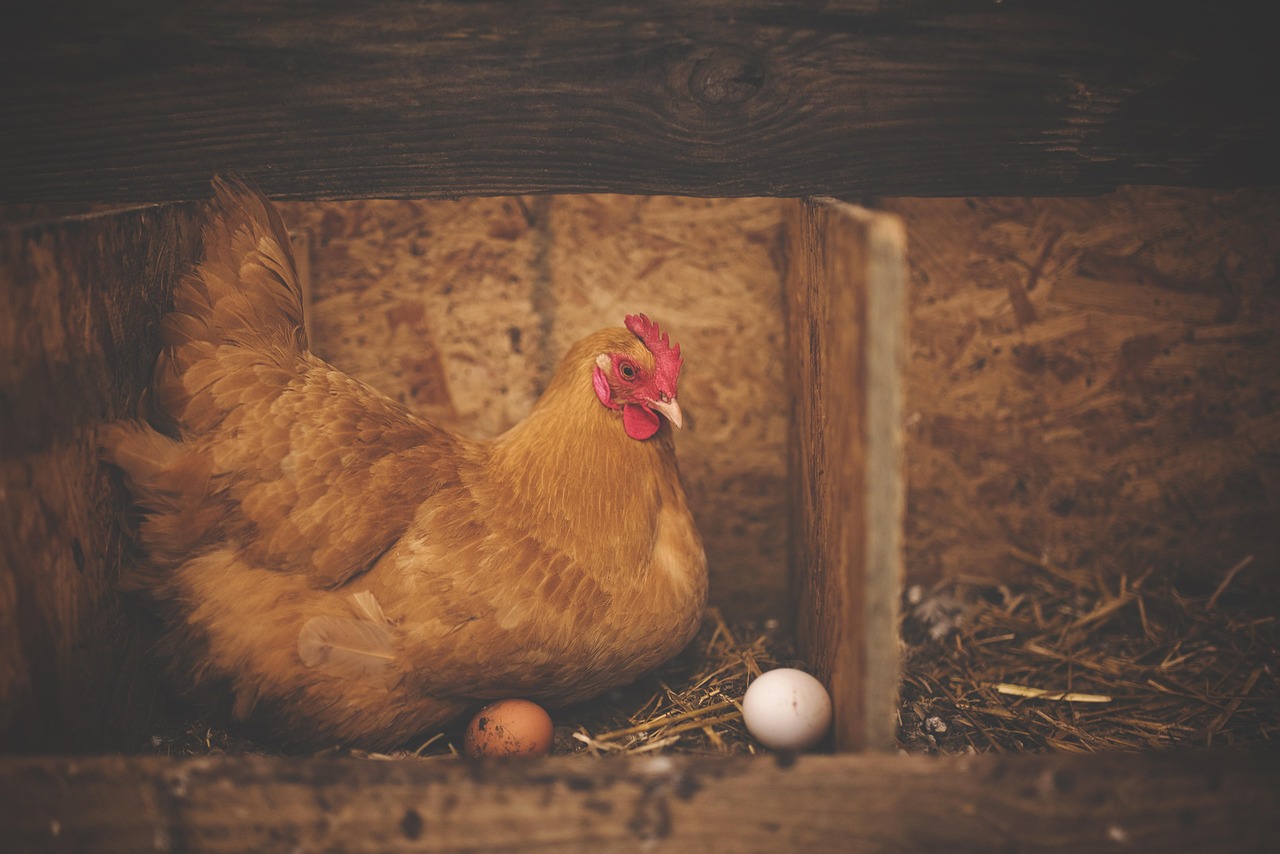
Nothing ends an urban chicken hobby faster than a neighbor knocking on your door about the smell. The good news is that a well-run small flock should not smell bad at all. If yours does, something in the setup or the routine is off, and it is usually fixable without a full rebuild.
Odor comes from one place: ammonia released by manure that is staying wet and breaking down without enough air or carbon material to balance it. Fix moisture and airflow, and you fix most smell problems.
The Real Causes of Coop Odor
Too much moisture. This is the big one. A leaky roof, a waterer that spills, or a run with no drainage means bedding stays damp and ammonia builds fast. Check your roof and your waterer placement first. Moving a waterer outside the coop or onto a raised tray solves more odor complaints than any product you can buy.
Not enough carbon in the bedding. Chicken manure is high in nitrogen. You need a carbon-rich material to balance it. Pine shavings, hemp bedding, or coarse wood chips work well. Thin layers of bedding do not. Aim for at least three to four inches in the coop, and more in the run if it is covered.
Poor ventilation. Coops need airflow up high, above the hens' heads, so moisture escapes without creating a draft on the birds. If your coop feels stuffy and warm when you open it, it is trapping ammonia. Add vents near the roofline or a small gable vent. Do not seal a coop tight for winter; that is when odor gets worst.
Too many birds for the space. A coop that is packed beyond its capacity will smell no matter what you do. Most small coops are rated optimistically. If your birds are crowded, either expand the run or reduce the flock.
A Simple Weekly and Daily System
Daily, do two things: scoop obvious wet spots under the roost, and make sure the waterer is not leaking. That takes two minutes.
Weekly, turn the bedding in the coop and run with a small rake or pitchfork. Turning exposes wet spots to air and mixes fresh carbon into the manure. Add a scoop of new shavings wherever it looks damp. This is the single most effective habit for a small coop.
Every few weeks or once a season, depending on flock size, do a fuller clean-out. Remove the bedding, scrub the roosts and nesting boxes with a mild soap, let everything dry completely, and put down fresh bedding. Do not use harsh chemicals around birds, and skip anything with strong fumes.
A few extras help in tight urban spaces. A covered run keeps rain out and bedding dry. A dust bath area with dry dirt and wood ash helps hens keep themselves clean. And a small compost bin for spent bedding keeps the whole system tidy and gives you material for the garden later. If your coop still smells after all this, look at drainage around the run. Standing water underneath is the hidden culprit more often than not.