The Lazy Urbanite's Guide to Deep Litter Method in a Tiny Coop
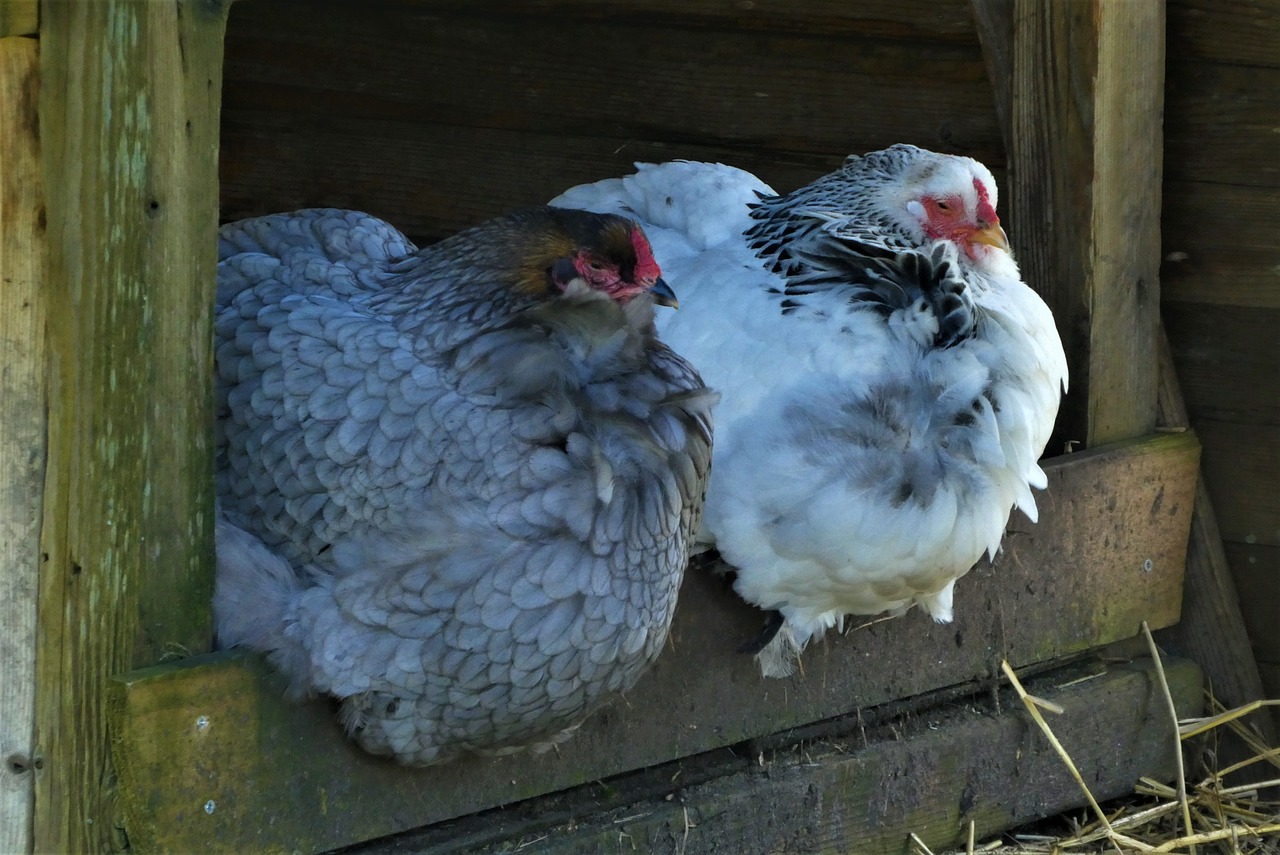
If you keep chickens in the city, you already know the drill: every square foot of your coop has to work harder than it would on a farm. That's exactly why the deep litter method, a composting-based bedding system, is such a good fit for small urban setups. Instead of stripping the coop every weekend, you build up a layer of carbon-rich bedding that slowly breaks down chicken droppings, keeps odor down, and eventually gives you compost for your containers or community garden plot.
The idea is simple. You start with a few inches of absorbent bedding, like pine shavings, hemp hurd, or coarse wood chips. Every week or two, you add another thin layer on top. As the chickens scratch and turn it, their droppings get mixed in, and naturally occurring microbes start breaking things down. Over time, the bottom of the litter becomes a dark, earthy material that smells more like forest floor than barnyard.
Making It Work in a Small Coop
Small coops are trickier than big barns because moisture builds up fast in a confined space. The number one rule is ventilation. Without airflow, deep litter turns into a soggy, smelly mess instead of a slow compost pile. If your coop has a vent near the roofline and another lower down, you're already ahead. A small solar fan or even a cracked window on mild days can help move humid air out.
Second, watch your moisture. The litter should feel like a wrung-out sponge, never dripping and never bone dry. If it smells sour or ammonia-like, add more carbon bedding and stir it up. If it's dusty, mist it lightly with a spray bottle or add some fresh greens from your kitchen scraps. Chickens love scratching through the mix, so give them reasons to keep turning it: toss in a handful of scratch grain or a few dried mealworms now and then.
Third, size matters. In a coop under 20 square feet, aim for four to six inches of litter depth, not the foot-deep layers you'd see in a barn. Too deep, and the lower layers never dry out in a small space. Once or twice a year, scoop out the oldest material from the corners and add it to your compost bin or garden beds.
What to Avoid
Don't use cedar shavings, which can irritate chicken respiratory systems. Skip hay, which mats down and molds quickly in humid urban coops. And avoid the temptation to add kitchen scraps directly to the litter, since sugary or oily foods attract pests and slow decomposition. Keep food in a separate feeder, and let the litter handle only droppings and bedding.
The deep litter method isn't zero-maintenance, but it can cut your cleaning time from weekly to seasonal. For city dwellers juggling work, transit, and a tiny backyard, that trade-off is worth it. Start small, keep it dry, and let your flock do most of the work.