Winterizing a Small City Coop Without Electricity
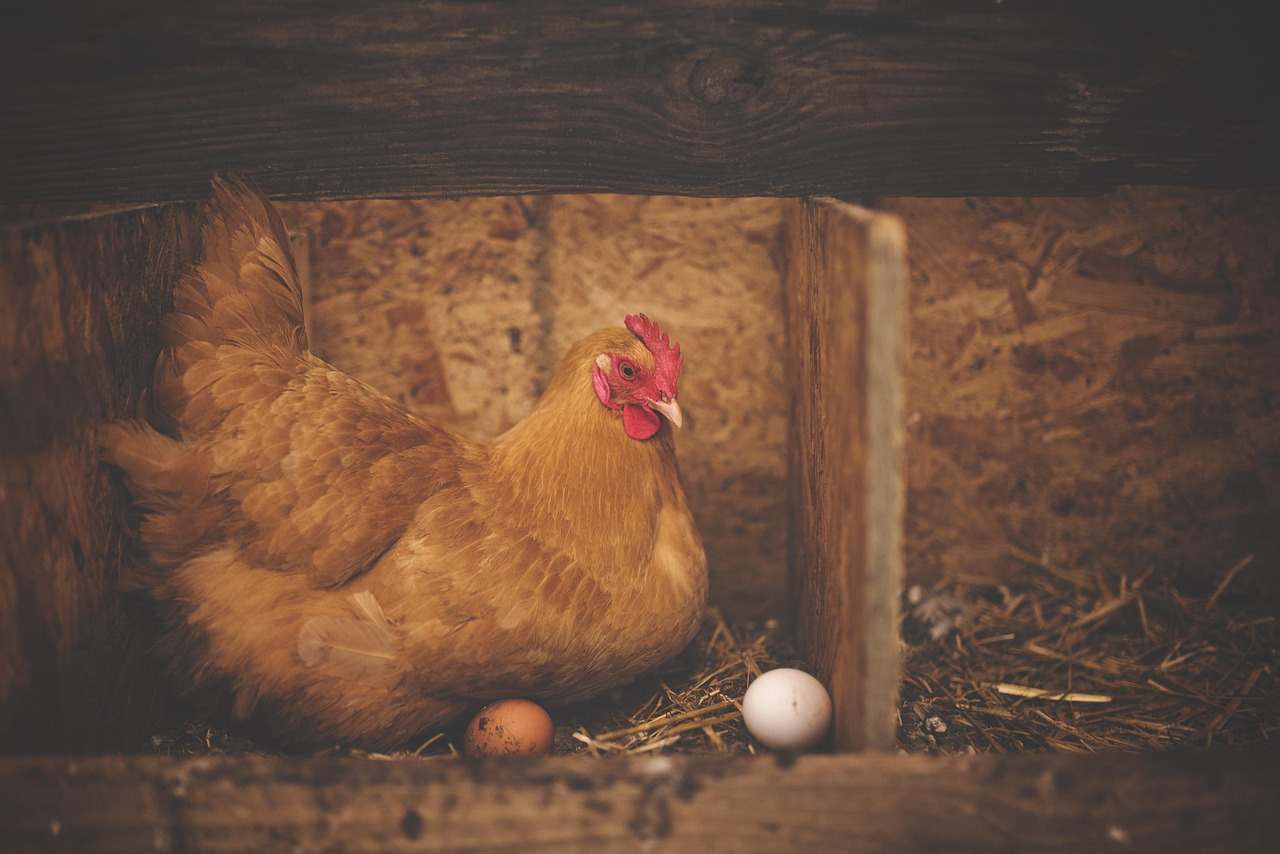
Winter hits city coops harder than country ones in one key way: you can't move the flock to a barn or let them range across frozen pasture for exercise and warmth. Your hens are confined to a small space, and if that space is damp, drafty, or cramped, they'll struggle. The good news is that chickens handle cold far better than most new keepers expect. What they can't handle is wet feathers and stagnant air. With a few no-electricity tweaks, a small urban coop can stay comfortable all season.
The first principle is dry over warm. A hen's feathers trap a layer of warm air, and as long as that layer stays dry, she can tolerate temperatures well below freezing. Moisture is the enemy. It comes from droppings, respiration, and spilled water. Manage it with ventilation, not with heat. Keep a high vent open year-round, ideally near the roofline, so humid air escapes while cold air enters above the birds' heads. Add a lower vent on the downwind side for cross-flow, but block any vent that blows directly onto the roost.
Bedding, Roosts, and Drafts
Switch to a thicker bedding layer in winter. Pine shavings or hemp hurd work well, and a four- to six-inch layer insulates the floor and absorbs moisture. The deep litter method, where you add thin layers over the season and let the chickens turn it, works especially well in winter because the slow decomposition generates a small amount of warmth. Just keep it dry and don't let it get compacted.
Roosts matter more than you might think. Hens lose heat through their feet and combs, so give them a flat, wide roost, at least two inches across, where they can settle down and cover their toes with their breast feathers. Place roosts away from vents and high enough that birds aren't sitting in their own draft. A group of hens will huddle together, which is another reason to keep at least three birds rather than two.
Drafts are different from ventilation. A gentle air exchange is healthy; a cold stream of air at bird level is not. Walk around your coop on a windy day and feel for gaps at the door, around the pop hole, and where walls meet the roof. Seal those with weatherstripping, hardware cloth backed with plastic, or simple wood trim. Leave the high vents alone.
Water, Feed, and Frostbite
Water is the trickiest part without electricity. A thick rubber bowl or a black rubber tub placed in the sunniest spot helps delay freezing. Check it twice a day and top with warm water. Some keepers rotate two waterers, bringing one inside to thaw while the other is out. Avoid metal waterers in deep cold, since hens can stick their combs to them. For feed, keep it dry and accessible; hens eat more in winter to stay warm, so don't skimp.
Frostbite on combs and wattles is a real risk in damp, drafty coops, but it's rare in dry, well-ventilated ones. Skip the petroleum jelly, which can actually trap moisture. Instead, focus on dryness and ventilation, and your hens will come through winter with bright combs and steady laying.