Rooftop and Balcony Chicken Keeping: What Actually Works
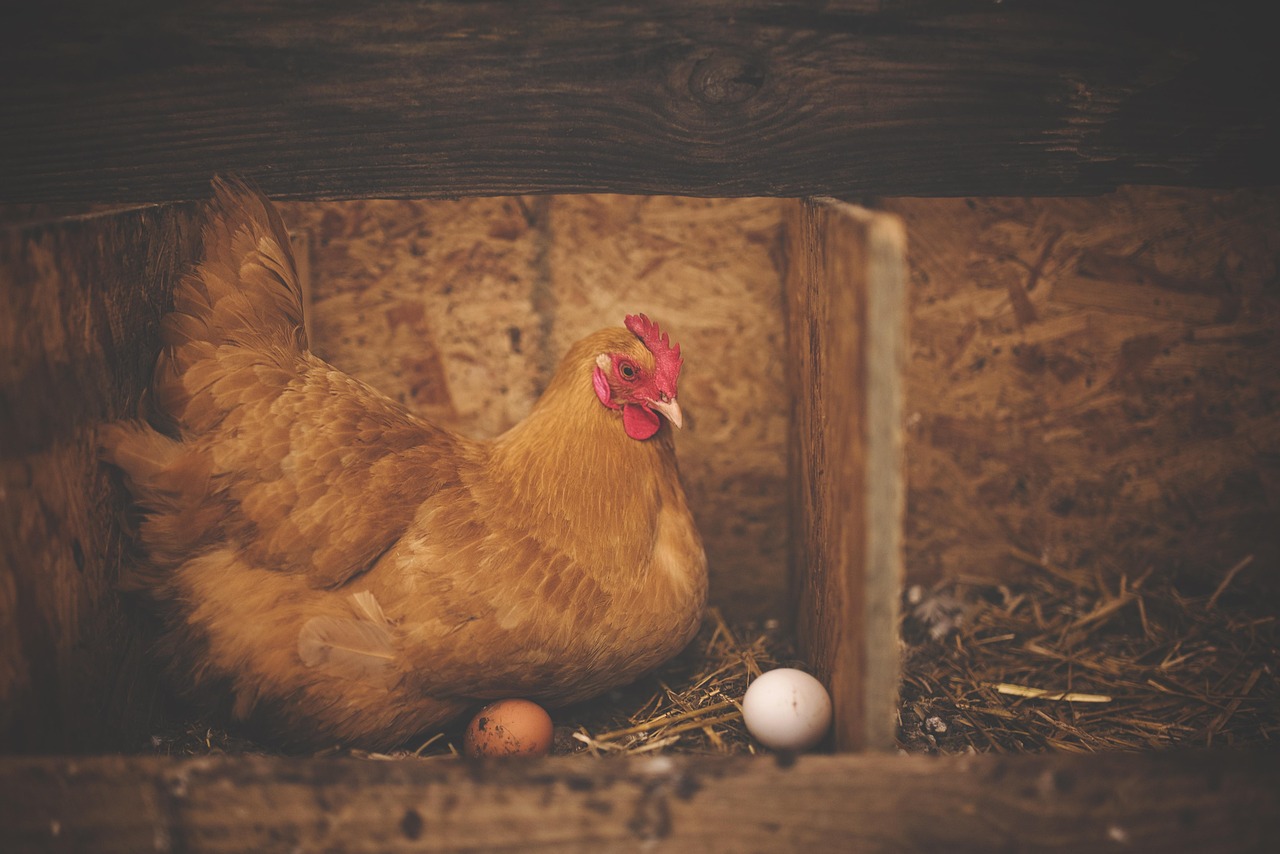
Keeping chickens on a balcony or rooftop sounds like the ultimate urban hack: fresh eggs with a skyline view. And it can work, but it's a very different game than a ground-level backyard coop. Before you order chicks, you need to think about weight, wind, noise, drainage, and whether your building or landlord will actually allow it.
Start with the structure. A coop, bedding, feeder, waterer, and two to three hens can easily weigh 150 pounds or more. Add the dynamic load of chickens jumping and scratching, plus wind uplift on a rooftop, and you're asking a lot of a balcony railing or roof membrane. If you rent, get written permission. If you own, check your building code and HOA rules. Many cities allow hens but prohibit roosters, and some have setback rules that make balconies off-limits entirely.
Designing for Wind, Sun, and Neighbors
Wind is the biggest difference between ground and elevated coops. A gust that ruffles feathers in a yard can flip a lightweight coop on a roof. Anchor everything, use a coop with a low profile, and add a windbreak panel on the prevailing wind side. Shade matters just as much: rooftop surfaces bake in summer, so provide a covered run area and consider a misting setup or frozen water bottles in the waterer on hot days.
Noise and smell travel upward and outward. Hens are quieter than roosters, but they still cluck, squawk, and sing their egg song. Line the coop floor with thick bedding to absorb sound, and place the coop away from bedroom windows, yours and your neighbors'. For odor, use a droppings board under the roost and scrape it daily into a sealed bucket. That one habit keeps a balcony coop surprisingly fresh.
Drainage is the other sneaky issue. Rooftop and balcony floors often slope toward drains, and bedding plus droppings can clog them. Use a coop with a solid floor and a removable tray, and never hose down a balcony coop unless you know where the water goes. A quick scrape and a wipe-down with diluted vinegar is usually enough.
Which Hens Suit Elevated Life
Bantams and small standard breeds tend to do best in confined elevated spaces. Breeds known for calm temperaments and good confinement tolerance, like Australorps, Orpingtons, and Silkies, adapt well. Avoid flighty breeds that panic and crash into walls, and avoid heavy breeds that struggle on ramps. Provide a ramp with cleats rather than a steep ladder, and give hens a dust bath box, a perch, and a hanging treat toy to prevent boredom.
Rooftop and balcony chicken keeping is not for everyone, but for the right building and the right flock, it turns unused urban space into a daily source of eggs and entertainment. Do the structural and legal homework first, then let the hens do the rest.