The 20-Minute Morning Chicken Routine for City Dwellers
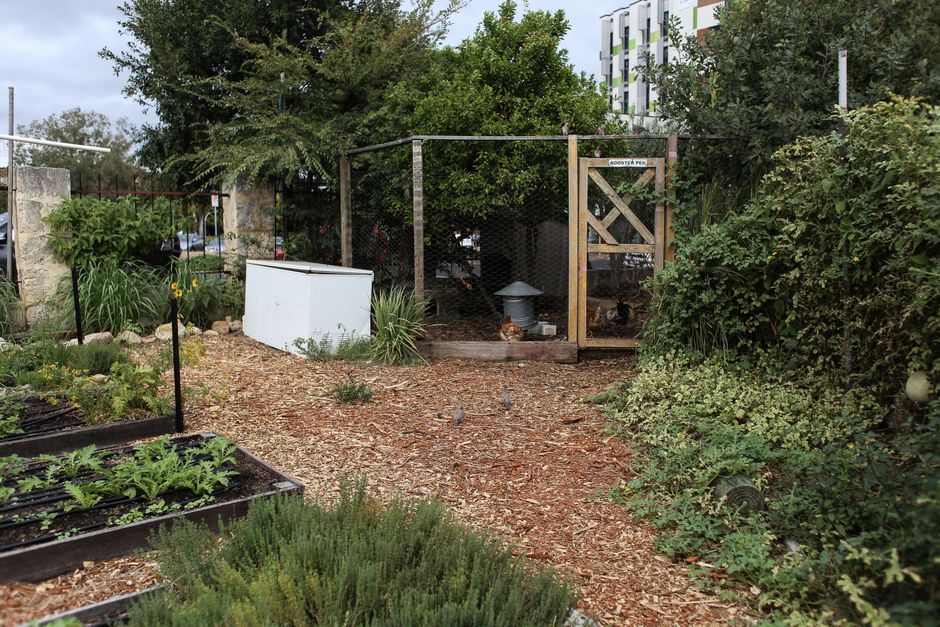
If you think keeping chickens in the city means losing your mornings, think again. The truth is that most of what a small flock needs each day takes less time than scrolling through your phone with a cup of coffee. The key is having a routine you can run on autopilot, even on the days you wake up late and the subway is already threatening your commute.
Here is the exact sequence I use before heading out the door. It assumes a flock of three to six hens in a small backyard or side-yard coop, which is what most urban keepers are working with.
The Step-by-Step Morning Loop
Minute 0-3: Open up and eyeball everyone. Unlock the coop door and let the hens out into their run. While they file past you, do a quick head count and a visual scan. Are they alert? Are combs bright? Any hen standing puffed up in a corner is a red flag. This glance replaces a lot of worry later.
Minute 3-6: Refresh water and food. Dump and refill the waterer, because even a little algae or bedding dust makes hens drink less. Top off the feeder. If you use a treadle feeder or a large hanging feeder, you can often skip a full refill midweek, but the water should be fresh daily in warm weather.
Minute 6-10: Quick coop scan. Look at the bedding, the nesting boxes, and the area under the roost. You are not deep cleaning here. You are looking for anything unusual: soft or bloody droppings, broken eggs, a wet spot, or signs of a predator trying to dig in overnight. If something looks off, note it and deal with it in the evening, not now.
Minute 10-15: Collect eggs and check the run. Grab any eggs already laid, and glance at the run for tipped-over feeders, tangled hardware cloth, or a gate that did not latch properly. Urban predators include raccoons, foxes, and the occasional loose dog, and they all test fences at night.
Minute 15-20: Reset and go. Close the coop pop door if you keep it open during the day, top off the dust bath if it looks dry, and head inside. That is it.
Making It Stick When Life Gets Busy
The routine only works if it survives real life. A few habits make that easier. Keep a small caddy near the back door with gloves, a scraper, and a bag for trash so you are not hunting for supplies. Store feed in a sealed metal bin right next to the coop, not in the garage. And set a phone reminder for the one thing you tend to forget, whether that is locking the run at night or refilling the grit.
If you have a partner or a roommate, split the loop. One person handles mornings, the other handles the evening lock-up and a slightly longer weekend clean. Chickens do not care who shows up, only that someone does.
The payoff is that twenty minutes of steady attention prevents almost every problem that sends new keepers scrambling: dehydration, egg eating, hidden injuries, and predator losses. You do not need a farm schedule. You need a small, repeatable one that fits between your alarm and your train.